The Crosby at Rancho Santa Fe is a guard-gated golf community of more than 400 residences across 722 acres, from villas to custom homes, built around a course by Fred Couples and Schmidt-Curley Design. Roofs here share a skyline, so the details show.
The name says Rancho Santa Fe, and many people assume the Rancho Santa Fe Association's rules come with it. They do not automatically. The Association's Chapter 49 exterior materials rules were written for the Covenant. Listings place The Crosby in San Diego's 92127 ZIP code, and a contractor guide says The Crosby has an HOA review process of its own.
Because the names overlap, we ask one question at the start: which body governs your parcel? Then we request that body's current guidelines in writing and build the scope from them, not from what a neighbor remembers.
Golf and club amenities are separate again. Listings say club amenities require a membership, with a residents' membership available, which is a club matter and not a roofing one.
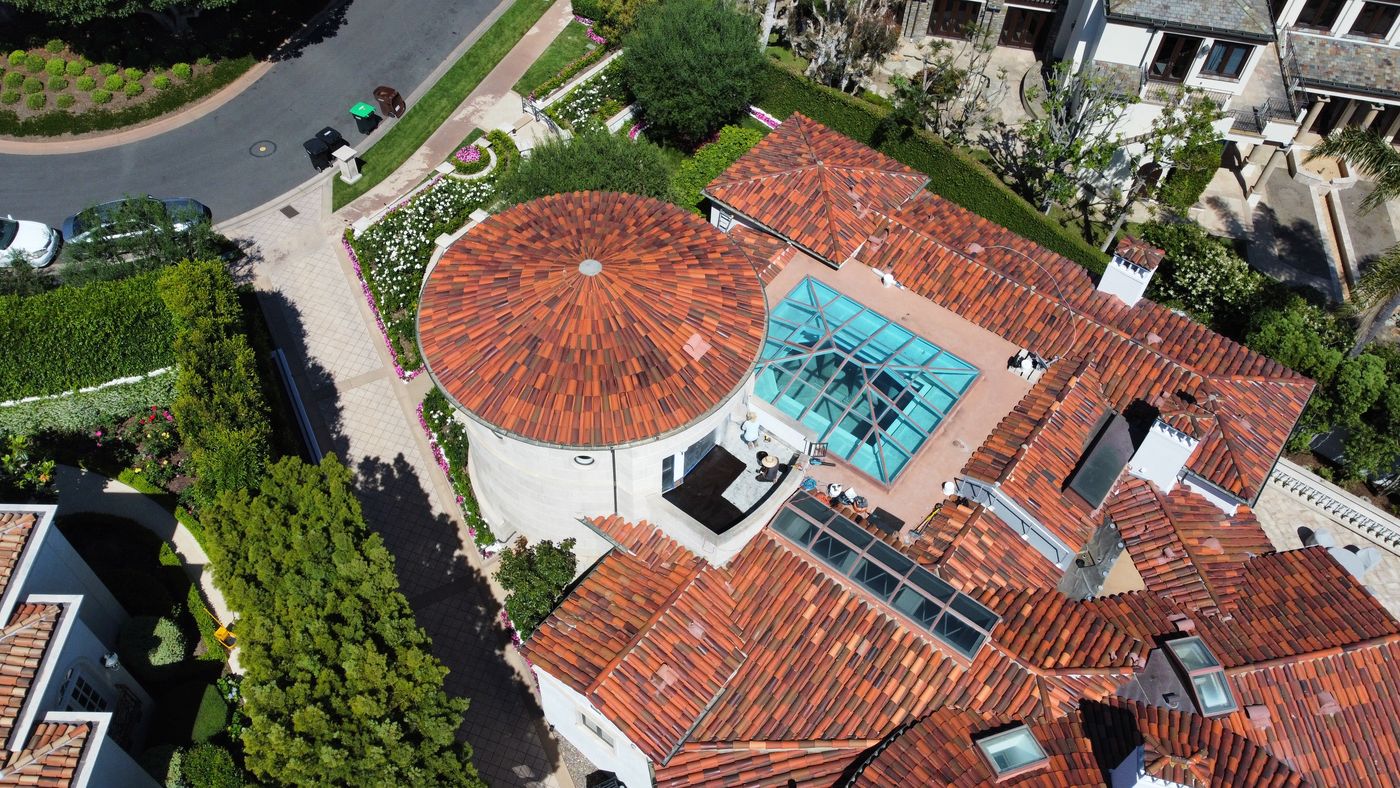
Roofing · The Crosby
One listing breaks the community into roughly 70 villas, 281 semi-custom homes and 70 custom homesites.
Villas and townhomes can share walls or rooflines, so we coordinate with neighbors and the association about where one roof ends and the next begins.
These make up the largest share of the community in that breakdown. Plans vary roof to roof, so we measure every one instead of assuming.
Larger footprints, multiple roof levels and custom details make staging important. Any lift or boom delivery is planned in advance.
Replacement windows sized for course views, and courtyard pavers or turf planned with the roof so nothing is torn up twice.
How we prepare. It describes our process only; it is not a claim that the association has reviewed or endorsed us.
Listings describe a guarded gate off Del Dios Highway and a south gate toward I-15. We ask which entrance suits our trucks and tell the guard house ahead of time.
Scope, samples and photos are packed into the format your reviewers prefer, once we have seen what that is.
If The Crosby asks for a certificate of insurance or contractor registration, we supply it before work begins.
Crew vehicles park where the HOA allows and stay clear of the course edge.
Homes beside a fairway get extra care: debris chutes face the property, and nothing blows onto the course.
Planters, irrigation heads and entry courtyards are protected and checked again at the end of each day.
The community is named for Bing Crosby, and its street names carry the tribute: Irish Eyes Lane, White Christmas Court and Danny Boy Road are examples. It is a small touch that makes the streets feel like nowhere else, and a reminder that a roof here sits inside a story residents care about.
That also means the community has a character to protect. When we repair a roof, matching the existing color and profile is the point of the job, not a courtesy.
A good roof in a community like this goes unnoticed: the same color, the same profile, no streaks and no surprises on the next walk down the street.
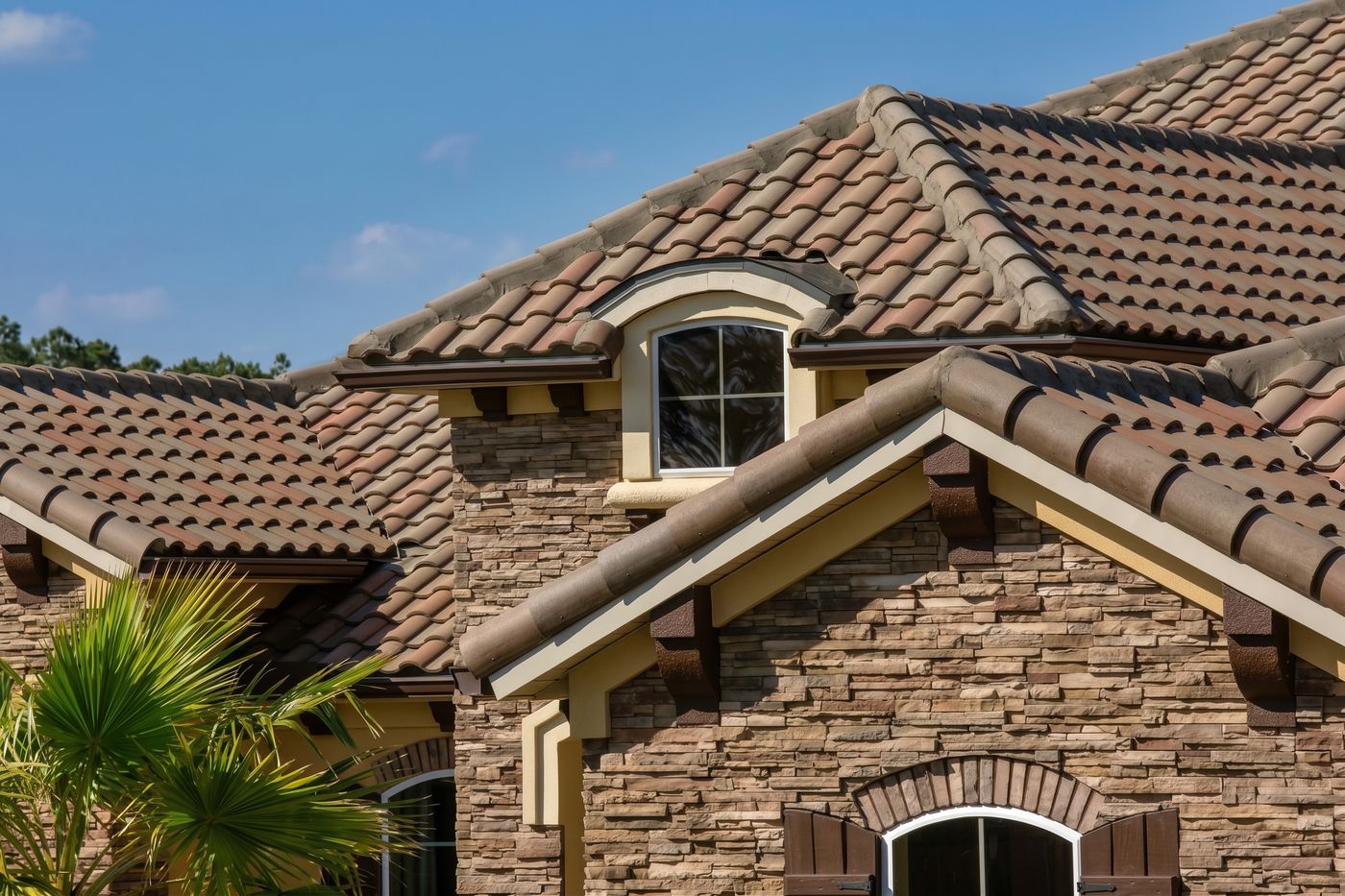
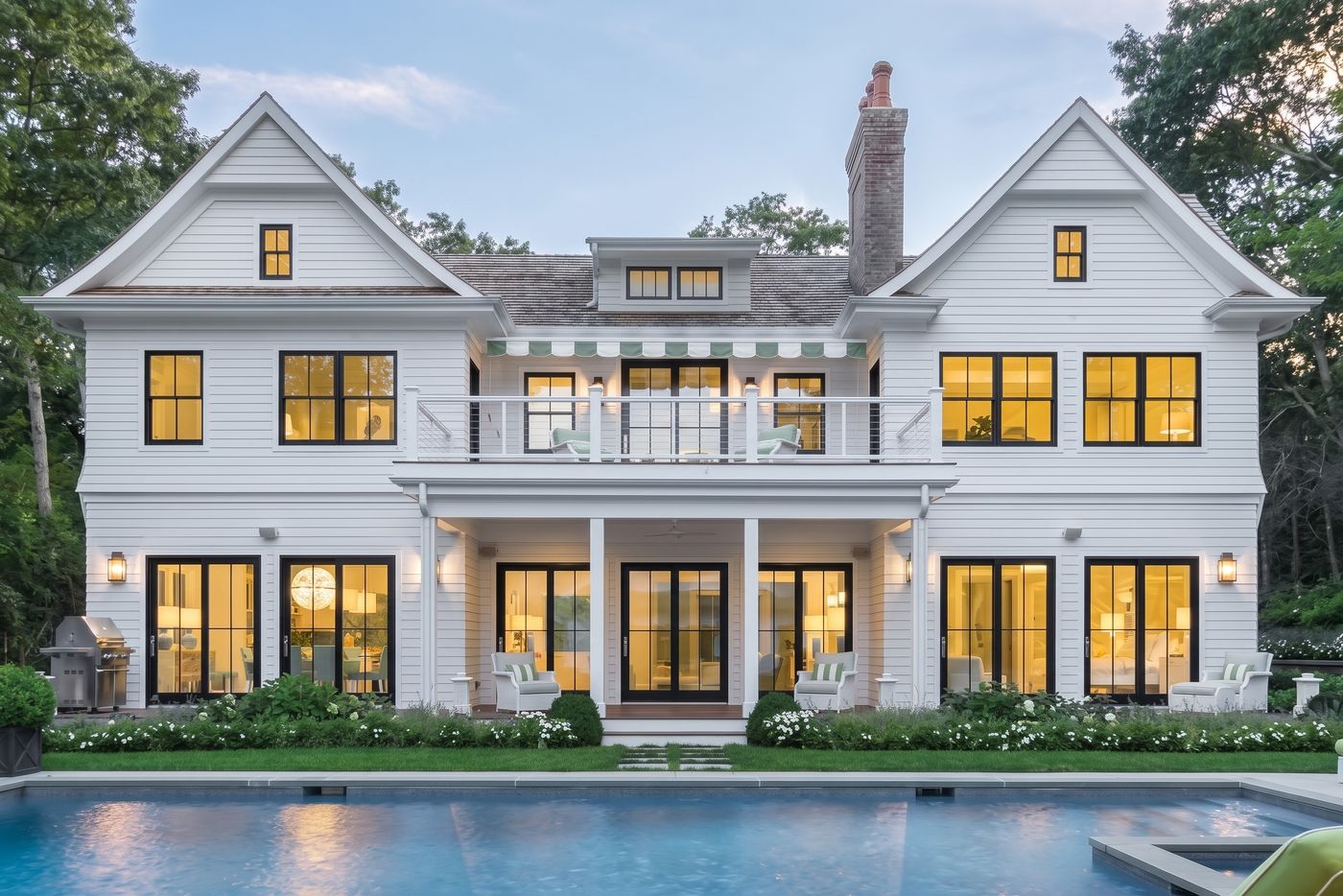
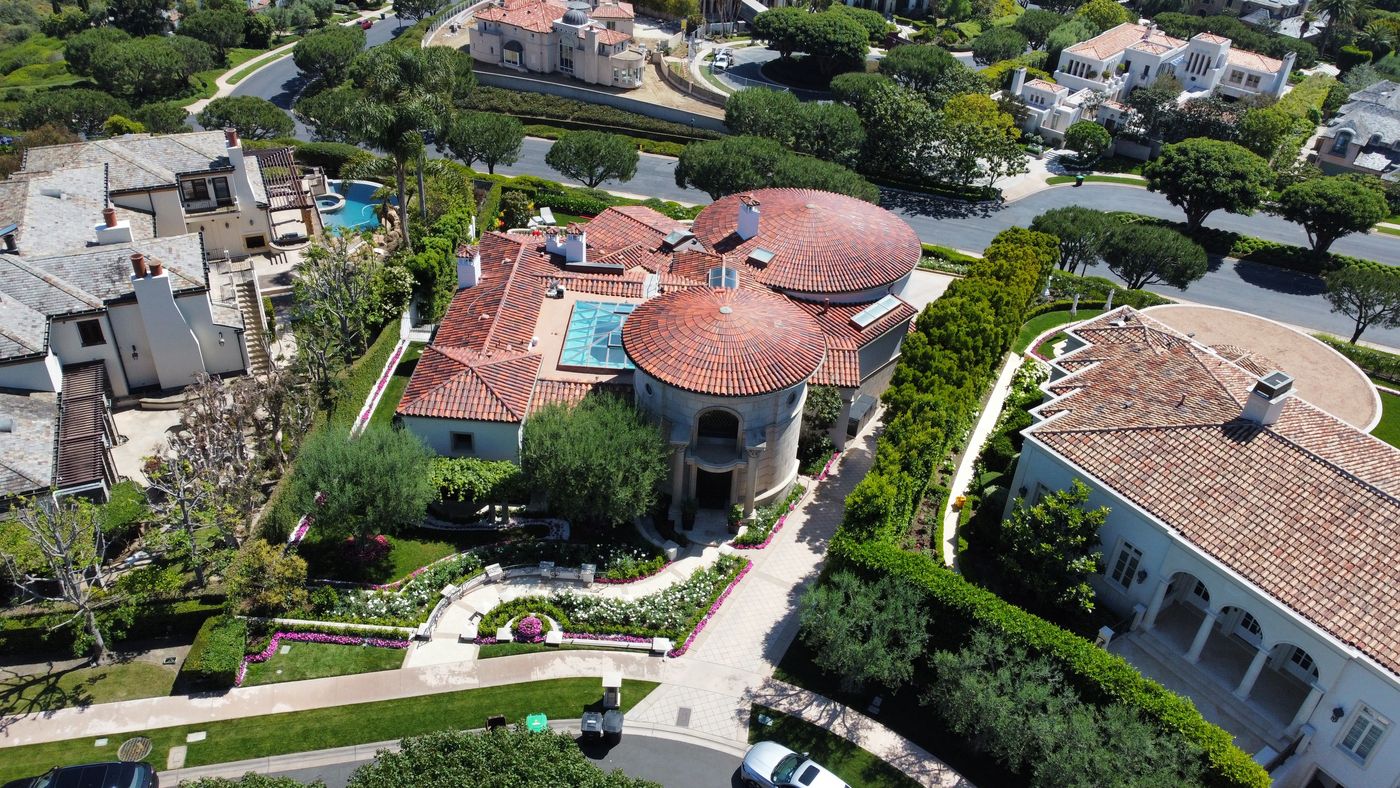
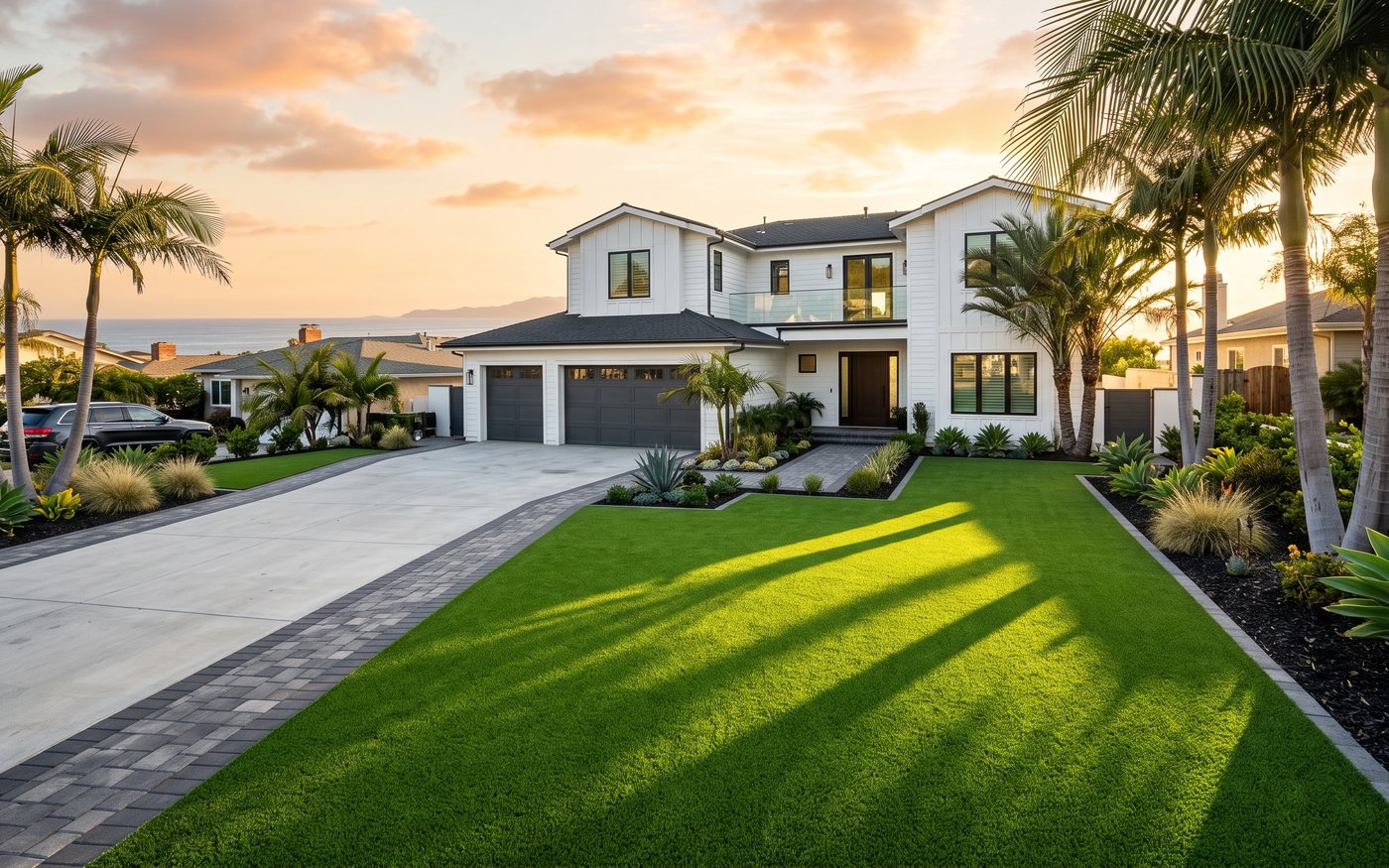
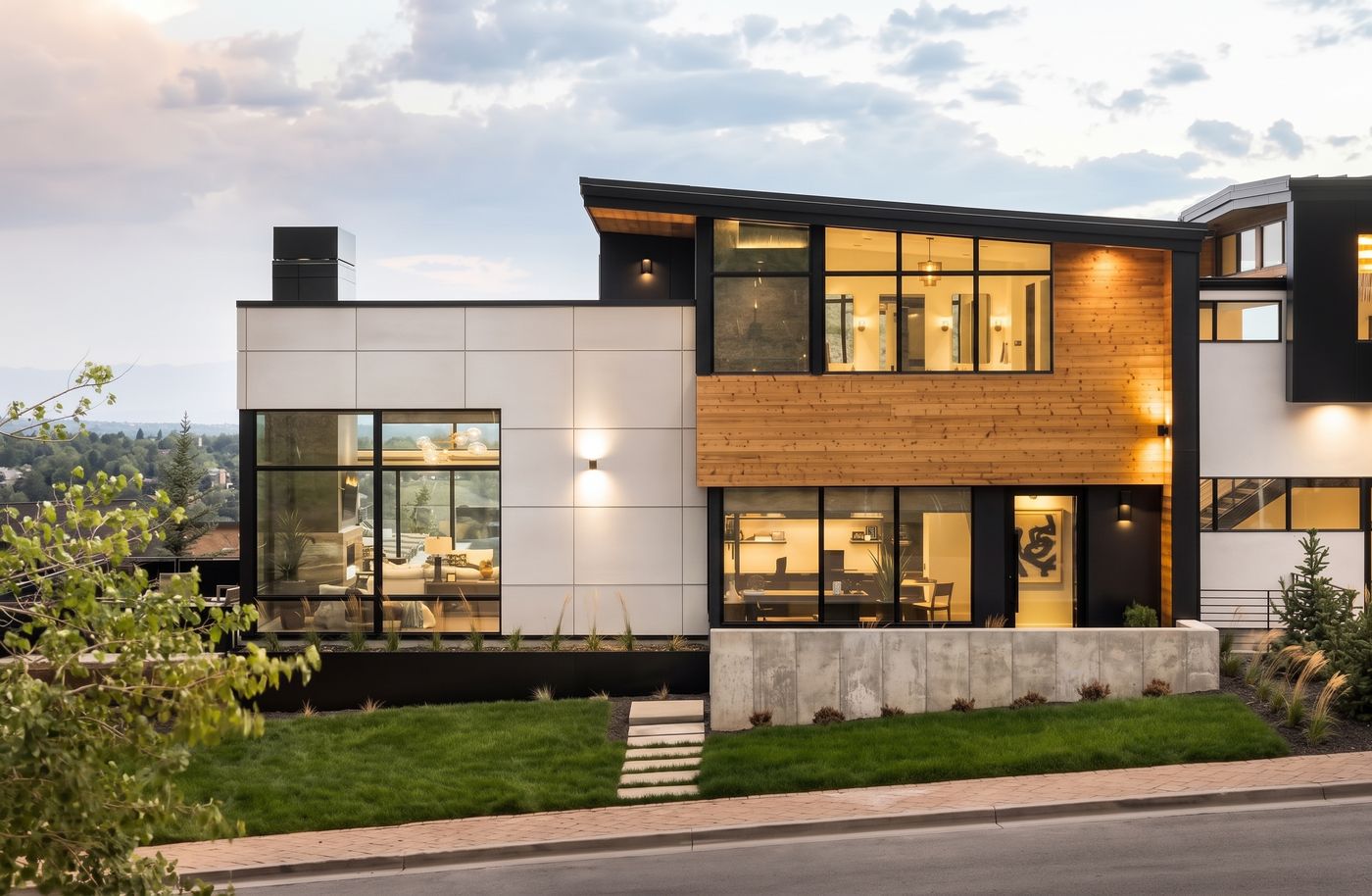
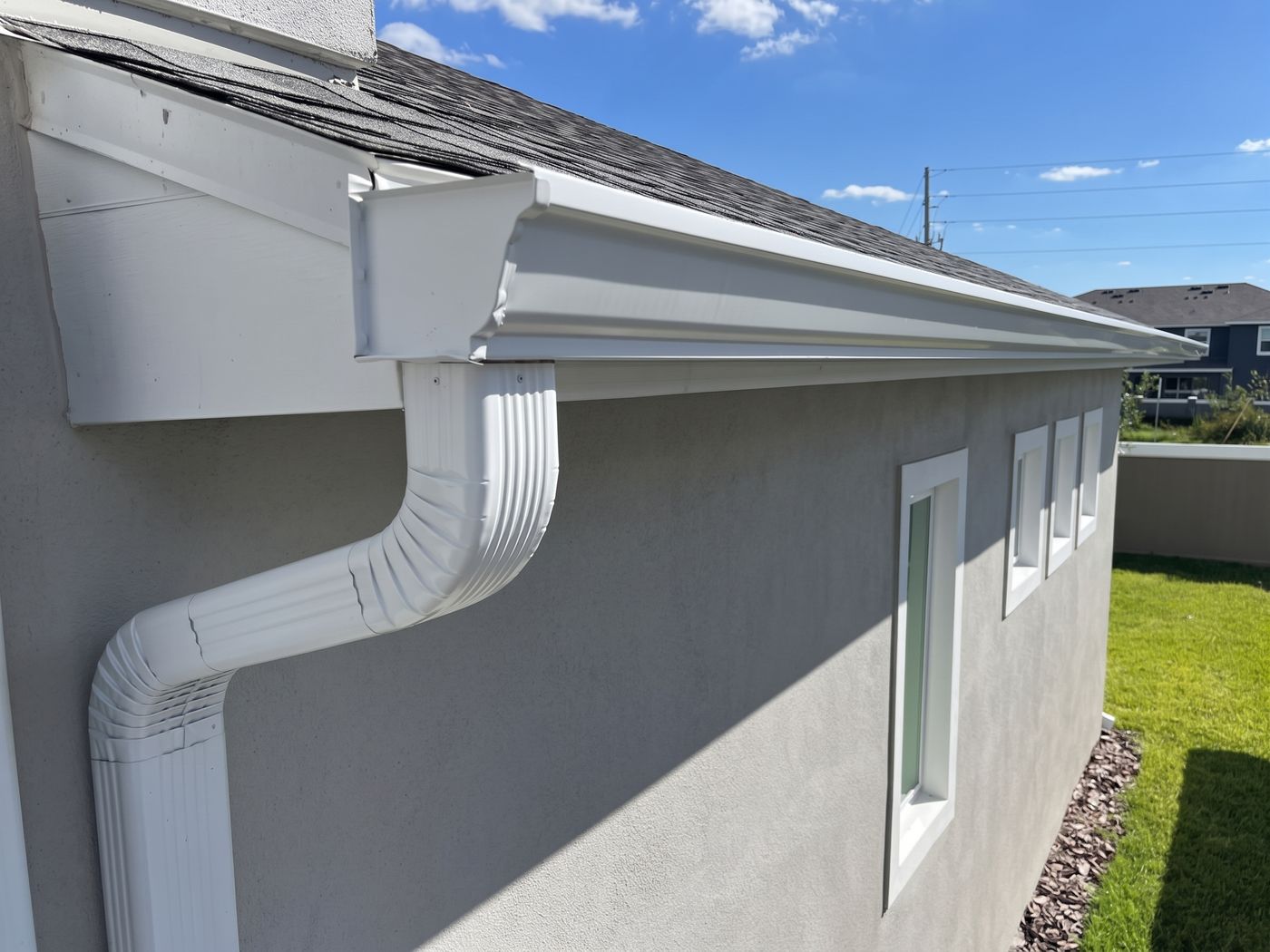
Pacific work from various Southern California cities appears here. None is from The Crosby.
The Crosby has neighbors with guides of their own.
A roughly 3,800-acre community with a Rees Jones course.
The Covenant, where the Association writes the rules.
A golf community on the Covenant's northeast edge, per one regional article.
The county overview, with more communities listed.
Learn how each service runs on our roofing, windows and doors and turf and pavers pages.
Not necessarily. The Association's exterior materials chapter was written for the Covenant, and a contractor guide says The Crosby has its own HOA review. We ask which body covers your parcel and read its current guidelines before we quote.
We plan around it. On attached or closely spaced homes we agree on where our work ends, protect shared edges, and tell neighbors the dates. Your association may want to coordinate too, and we ask early.
One inspection can cover all four, and we sequence the work so protection and scaffolding go up once. Each item is priced separately in writing, so you approve only what you want.
Begin with a free inspection that settles which rules apply, then looks at the roof.