Bel Air was laid out in the 1920s as a landscaped hillside retreat above Sunset Boulevard, and its houses still sit tucked into canyons along winding roads. Pacific Home Exteriors plans roofing, repainting and window replacement around the terrain, the privacy and the permit.
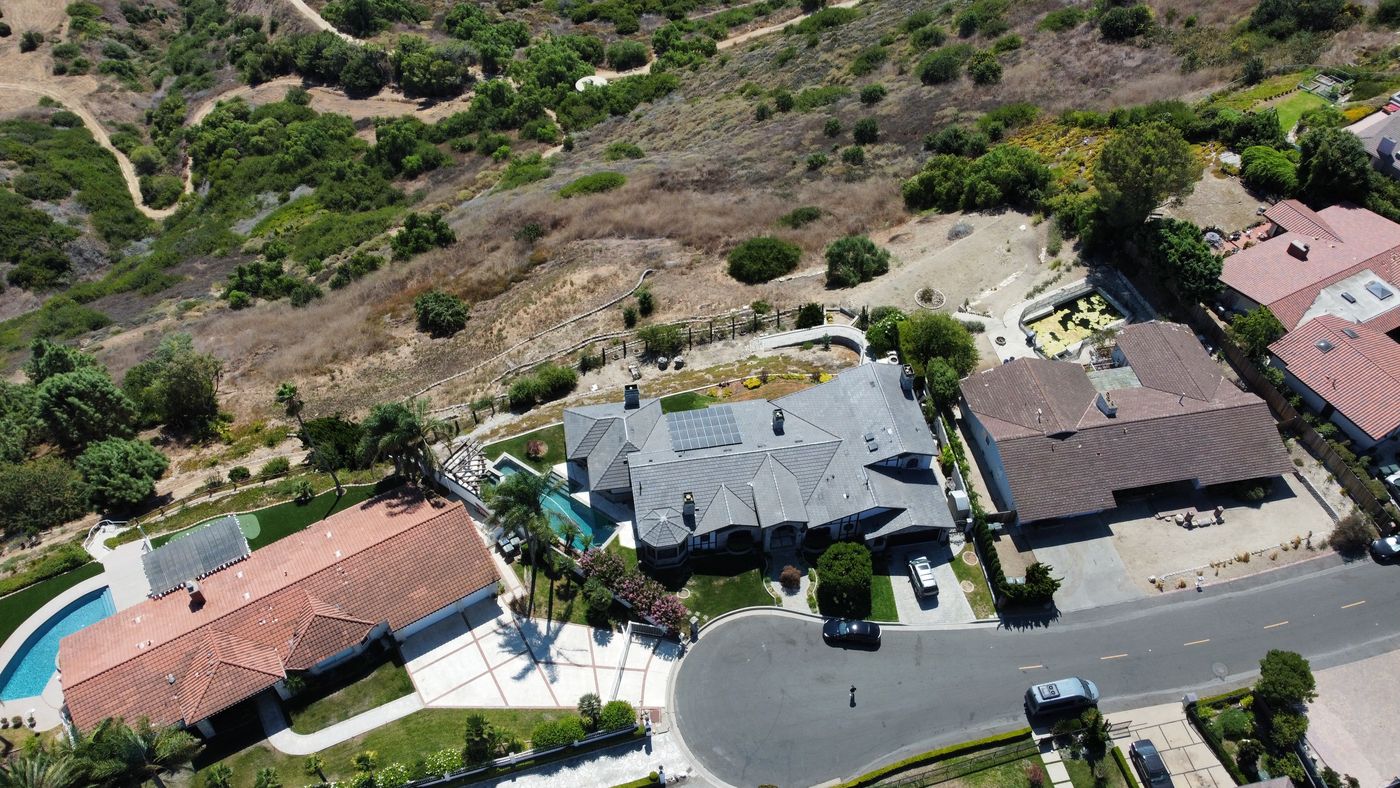
Roofing · Bel Air
Alphonzo Bell filed the first Bel Air tract in 1923, and landscape architect Mark Daniels drew the master plan. Today roughly 7,300 people live in ZIP 90077, across Sunset Boulevard from UCLA. The Bel-Air Association, formed in 1942, keeps its office at 100 Bel Air Road, and its committees include one that looks at construction and roads.
Two entrances still carry names that locals use: the East Gate at Beverly Glen and Sunset, and the West Gate at Bellagio Way and Sunset. Past them the streets climb and curve, and that shapes every roofing job, from where a bin can sit to how much room a delivery truck needs to turn around.
Roofs here come from many decades. A 1920s Mediterranean house, a mid-century ranch and a new hillside build with a flat deck ask for different answers, so we start with an inspection instead of a package.
The road where Bell first bought a ranch, and where the Association keeps its office. Long, winding runs mean we walk the route before a tear-off date is set.
Stone Canyon Reservoir anchors the northeast corner of Bel Air. Canyon roads leave little room for staging, so bins, deliveries and crew parking are planned before the first morning.
Homes near Beverly Glen and Sunset. When we book the inspection we ask about driveway gates, call boxes and who can let a crew in.
Homes near Bellagio Way, close to UCLA. Campus traffic along Sunset is part of how we choose delivery windows.
The higher streets, where views run wide and roofs are seen from across the canyon. Color and material choices carry more weight when a roof is visible from far away.
Eras and styles vary, and so does the scope.
Mediterranean and Spanish style homes often carry clay or concrete tile. Tile can outlast its underlayment, so we lift, inspect, replace what has aged and relay the tile you already own.
On contemporary builds and some traditional estates, standing seam metal or slate offers a long service life and a crisp line. We detail flashings, valleys and penetrations for water first and looks second.
Modern hillside houses often mix flat decks with pitched roofs. We choose a membrane or coating that fits how the roof is used, whether it is a walkable deck or a plain drain.
Smooth stucco, wood trim and ironwork each take paint differently. We test colors on the wall in daylight, because hillside light shifts the look of a color through the day.
Large glass walls and slim steel-look frames are common requests on view lots. We measure for the opening instead of the catalog and plan interior protection before the first pane comes out.
Ember-resistant vents, seamless gutters and low-water turf or pavers round out the exterior, and we plan them with the roof so each trade works around the other.
Our process. It is not a claim that any city office or association has endorsed us.
Roof work in Los Angeles goes through the Department of Building and Safety. We prepare the permit package and keep the approved documents on site.
The Bel-Air Association runs a construction and roads committee. We ask which of its guidelines apply to your street and whether contractors should notify it, and we share the answer before we quote.
Permit records for Bel Air re-roofs show Class A roof covering called for inside a Very High Fire Hazard Severity Zone. Your parcel is its own answer, so we check before we spec.
We map the route a dump truck and a material delivery will take, where the bin sits, and how a narrow stretch of road stays open for neighbors.
Crew names, vehicles and work hours go to you ahead of time. Tools and trash stay out of sight lines, and the property is left clean at the end of each day.
With your approval, we deliver a short courtesy note to adjoining homes before noisy days begin.
Bel Air has a documented fire history, including a major fire in 1961 and a smaller one in December 2017 in the same part of the neighborhood. Neither is a prediction for any single house. They explain why owners here ask about roofs that resist embers and about vents that keep burning debris out of the attic.
A roof built for those questions starts with a Class A assembly, a suitable underlayment and ember-resistant vents. Whether your parcel sits in a mapped zone is a lookup, not a guess, so open the State Fire Marshal parcel viewer and bring us the result.
Dry canyon wind and winter rain both test a hillside roof. Valleys, chimney crickets and gutters get our closest attention, because that is where water and debris collect.
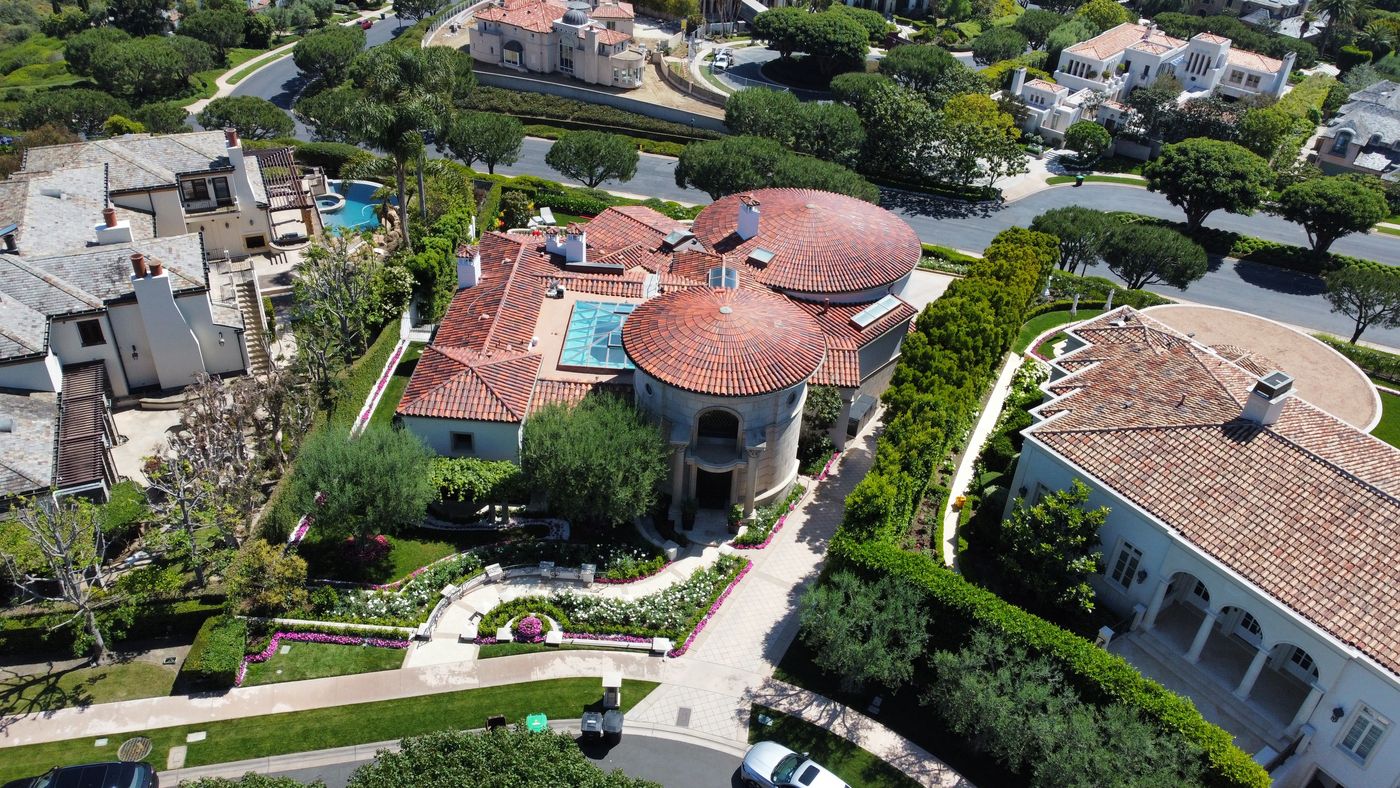
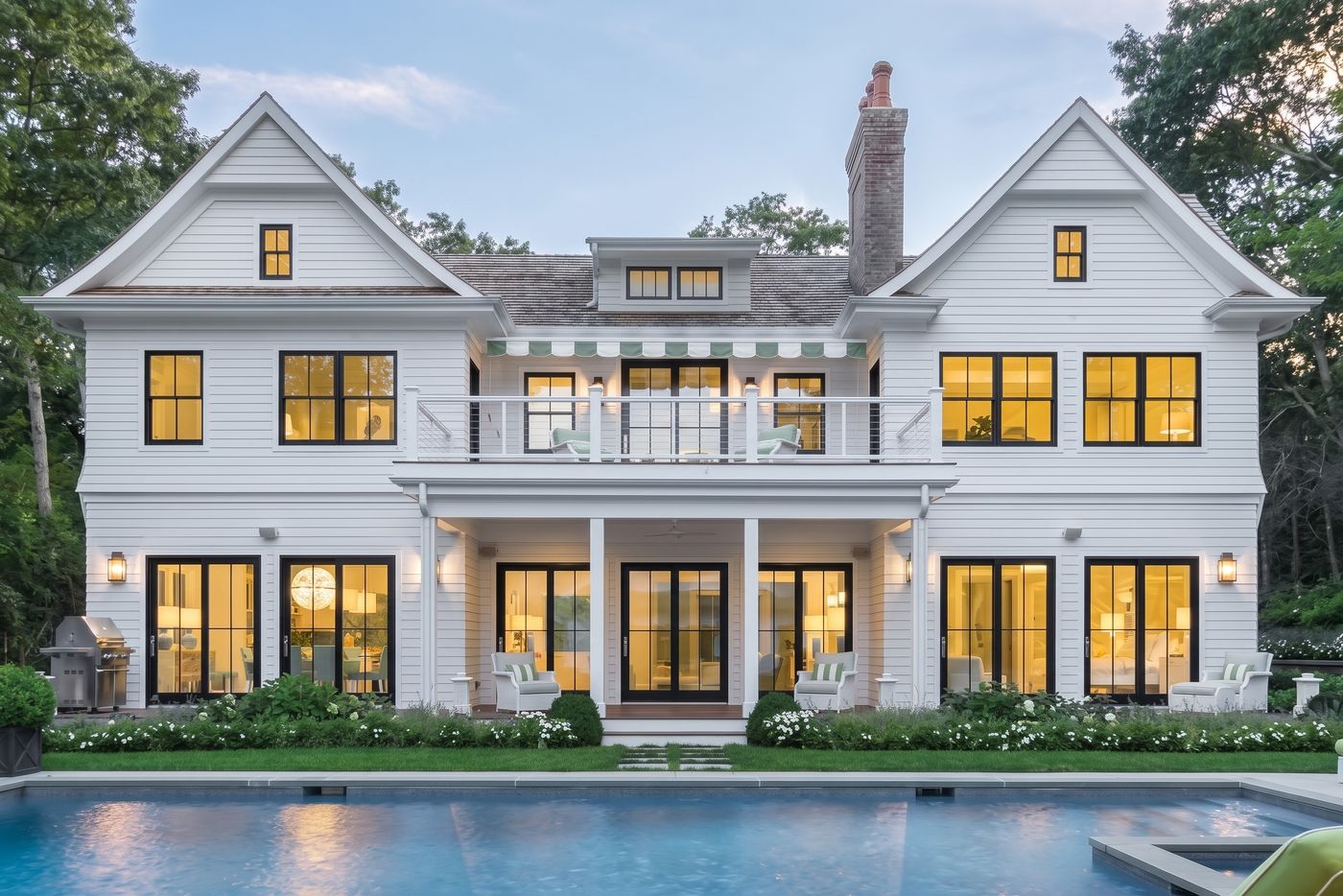
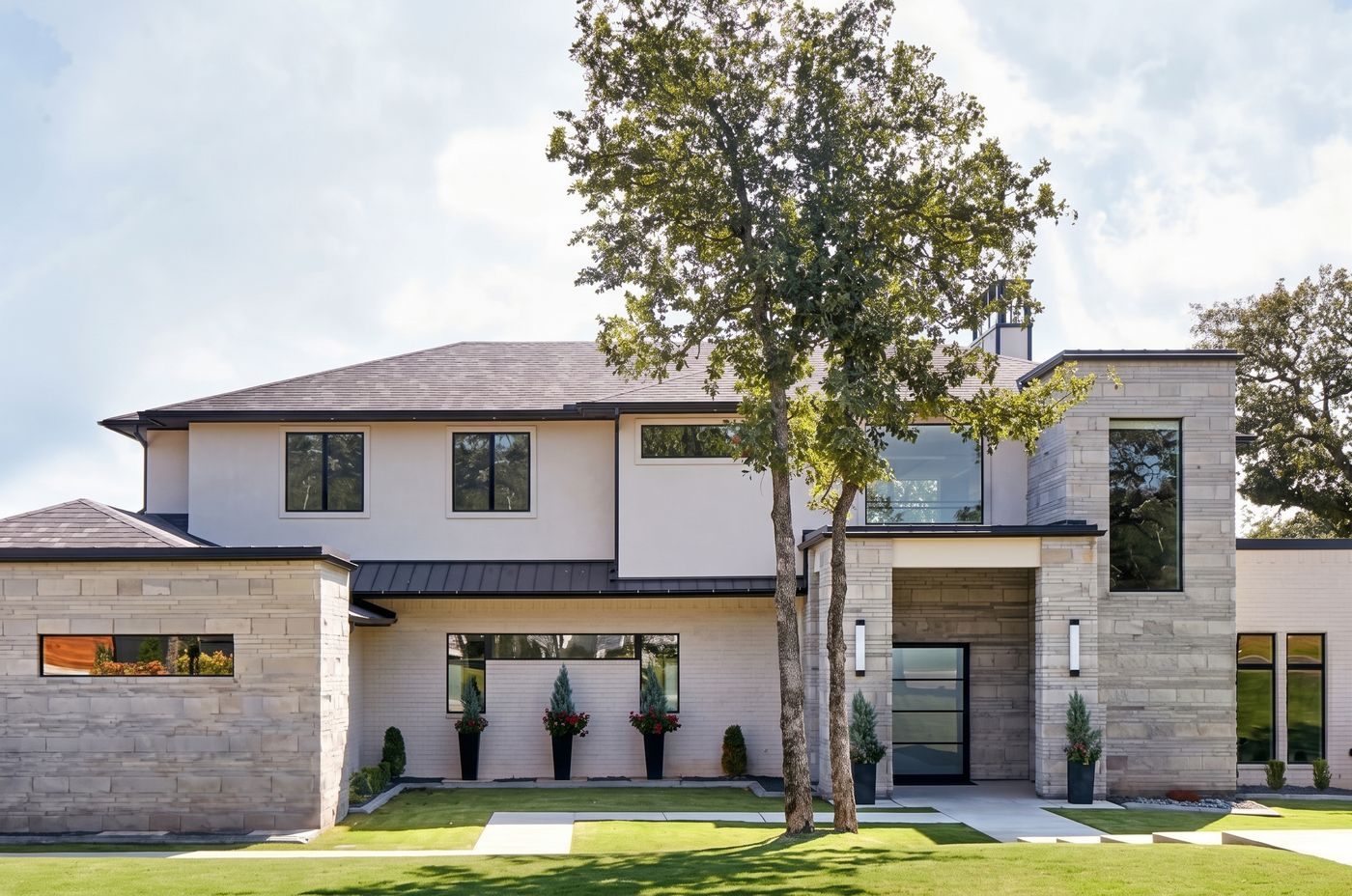
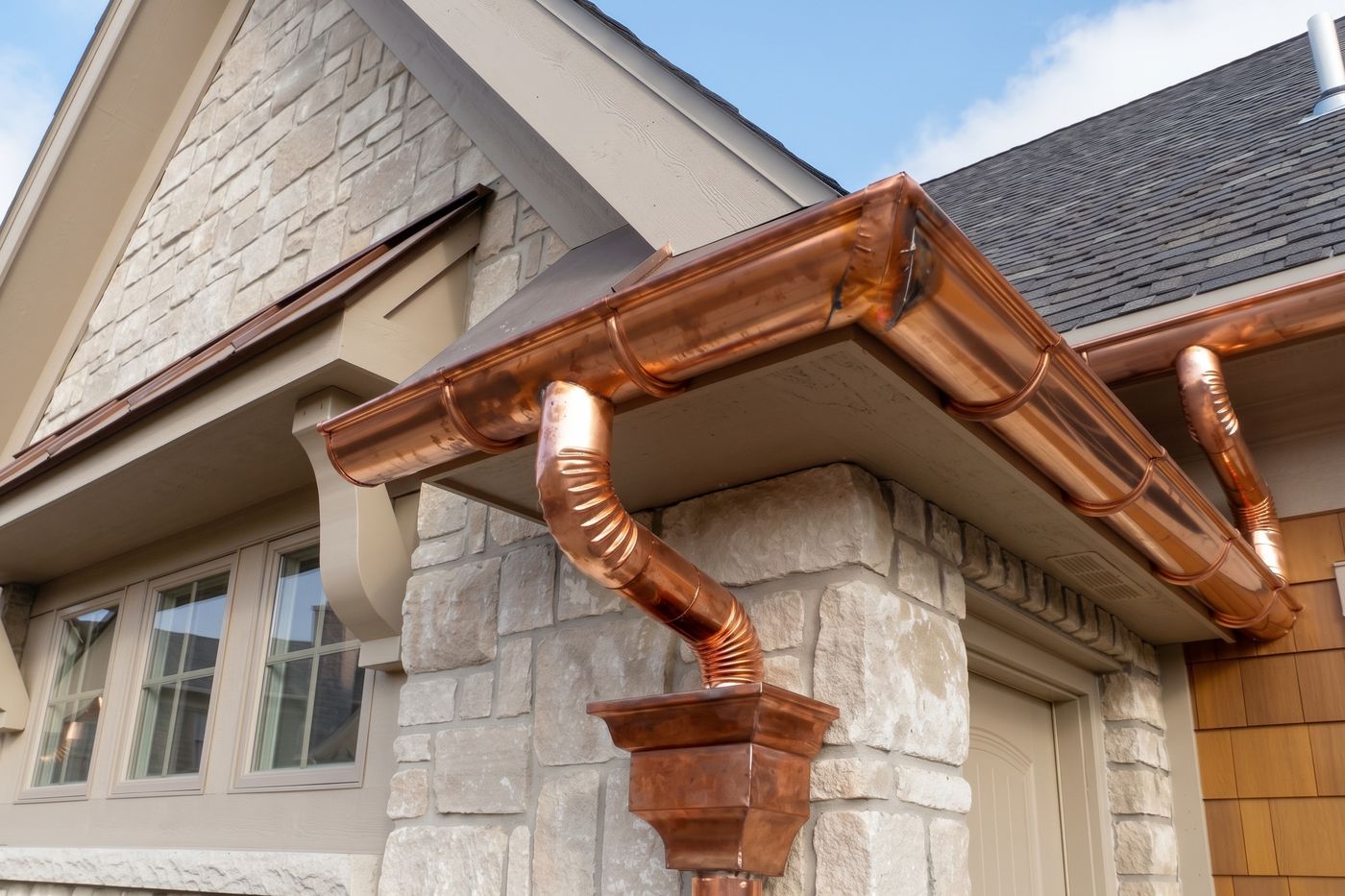
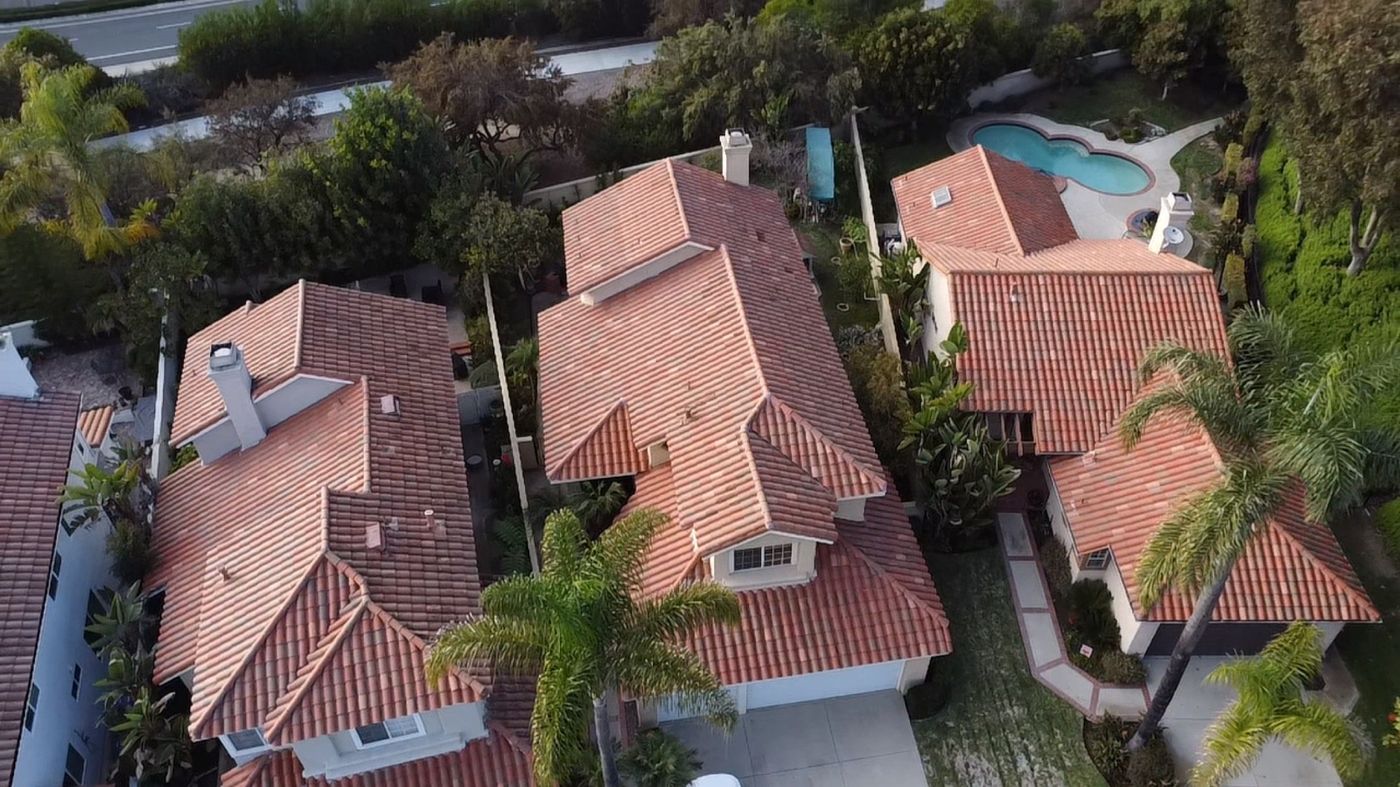
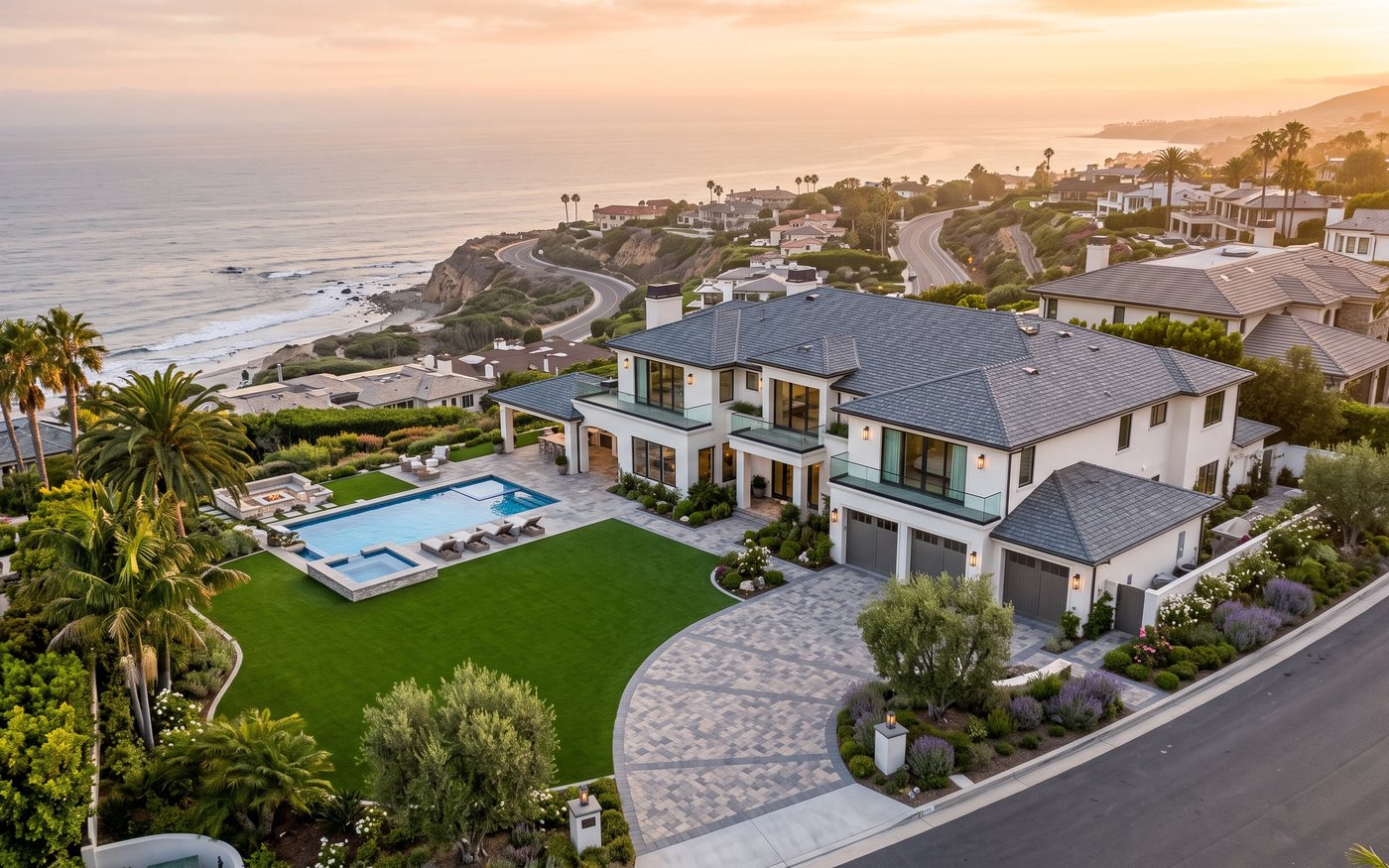
These photos show Pacific work across Southern California. None of them is a Bel Air project.
Bel Air runs into several of our neighborhood pages.
Estates south of Bel Air, with English street names and a different set of neighborhood associations.
The Bel Air Crest enclave has its own page and its own approvals story.
Large estates on the ridge above Beverly Hills.
Our full county service area.
Thinking about color? Our exterior painting page shows how we prep, and our windows and doors page covers replacement options.
No. The City of Los Angeles handles permits and building code, the Bel-Air Association is a neighborhood organization with its own committees, and some streets may carry further rules we cannot see from the outside. We ask the city and the Association what applies to your address and put the answers in writing before we quote.
With a plan made in advance. We walk the route during the inspection, decide where bins and materials will sit, schedule deliveries so a truck is not idling in the street, and tell neighbors when a busy day is coming. If a road is too tight for a full-size truck, we change the delivery method instead of improvising.
Not always. Tile often outlasts the underlayment beneath it, so the answer depends on what we find when we lift a few courses. If the tile is sound, we can replace the underlayment and relay the same tile. If it is cracked or brittle, we show you where and why before we recommend replacing it.
Start with a free, no pressure inspection that plans around your hillside, your road and the permit.